The differences between elliptical trainers and cross-training machines
In the world of aerobic fitness equipment, the terms "elliptical trainer" and "cross-training machine" are often used interchangeably, causing some confusion. Although these machines share similarities, they also have distinct functional differences. Understanding these variations can help you make an informed decision when choosing the equipment that suits your fitness goals. This article delves into the subtle differences between elliptical trainers and cross-training machines, providing a comprehensive guide to their unique features and advantages.
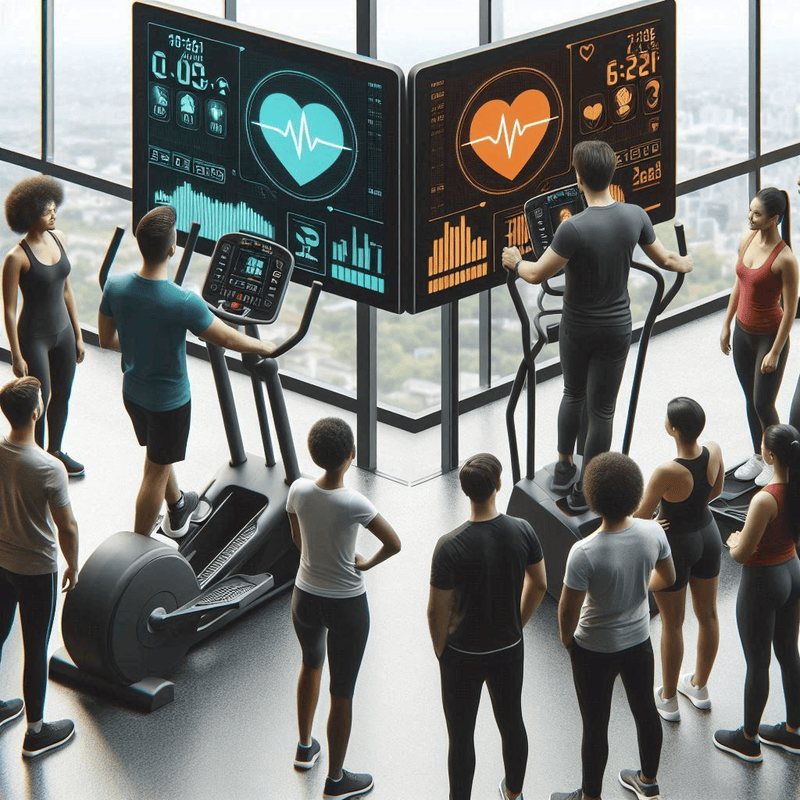
Elliptical trainer: focus on the lower body
The elliptical trainer is a popular choice for people seeking low impact aerobic exercise. This machine simulates the movements of walking, running, or climbing stairs, but there are no joint impacts associated with these activities. The following are the main features and advantages of the elliptical trainer:
1. Lower body focus: The main focus of the elliptical trainer is the lower body. The pedal moves in an elliptical pattern, activating the quadriceps, hamstring, calf, and gluteal muscles. This movement helps to strengthen and tighten the leg and hip muscles.
2. Low impact: One of the outstanding advantages of the elliptical trainer is its low impact. Unlike running on a treadmill or on the ground, the smooth movement of an elliptical machine reduces pressure on joints, making it an ideal choice for those recovering from joint pain or injuries.
3. Adjustable Resistance: The elliptical trainer comes with adjustable resistance levels, allowing users to increase or decrease the intensity of their workout. This feature is beneficial for both beginners and advanced users, providing scalable challenges as fitness levels improve.
4. Forward and backward movement: Many elliptical trainers provide the function of forward and backward pedal movement. This change can activate different muscle groups, adding diversity to your exercise routine.
Cross trainer: Full body exercise
The cross trainer is essentially an enhanced version of the elliptical trainer. Although it includes all the advantages of an elliptical machine, it can also activate the upper body and provide comprehensive full body exercise. The following are the unique features and advantages of the cross trainer:
1. Upper body activation: The cross trainer is equipped with movable armrests that allow users to activate their arms, shoulders, and chest. This upper body exercise increases the intensity of the exercise, effectively transforming it into a full body workout.
2. Core activation: Coordinated upper and lower body movements on the cross trainer require core stability. This activation of abdominal and lower back muscles helps strengthen the core, improve overall balance and posture.
3. Increase calorie expenditure: Full body exercises with cross trainers typically burn more calories than those with elliptical trainers. By exercising multiple muscle groups simultaneously, users can achieve more efficient calorie burning and cardiovascular fitness.
4. Diversity and Change: The cross trainer provides a diverse range of exercise experiences. Users can adjust resistance and slope to target specific muscle groups, and the combination of upper body movements provides dynamic and diverse exercises.
Choose the appropriate equipment
When choosing between elliptical trainers and cross trainers, it is important to consider your fitness goals, physical condition, and exercise preferences. Here are some factors to consider:
1. Fitness goal: If your main goal is to strengthen and compact your lower body while reducing joint pressure, an elliptical trainer may be an ideal choice. However, if you want to engage in comprehensive exercise, exercising both the upper and lower body, a cross trainer is a better choice.
2. Physical condition: Consider any physical limitations or injuries. The low impact properties of both machines make them suitable for joint pain or post injury recovery. However, the additional upper body activation of cross trainers may be beneficial for improving overall muscle firmness and balance.
3. Exercise preference: Think about the type of exercise experience you enjoy. If you enjoy diverse and dynamic exercises, the versatility of a cross trainer may attract you. On the other hand, if you prefer simple and focused exercises, an elliptical trainer may be more suitable.
4. Space and budget: Due to its additional features, cross trainers are typically larger and more expensive than elliptical trainers. When making decisions, consider your available space and budget.
Maximizing Your Exercise
Whether you choose an elliptical trainer or a cross trainer, here are some tips to maximize exercise effectiveness:
1. Maintain correct posture: Good posture is crucial on both machines. Stand straight, shoulder back, and tighten the core. Avoid excessive reliance on handrails.
2. Adjust resistance and slope: Increase resistance and slope to challenge yourself and activate different muscle groups. As fitness levels improve, gradually adjust these settings.
3. Combined with interval training: Interval training can improve calorie expenditure and cardiovascular health. Alternating between high-intensity and recovery periods to keep the exercise dynamic and effective.
4. Pay attention to breathing: Deep and controlled breathing helps activate the core and improve overall endurance. Coordinate breathing with movements to achieve optimal performance.
Conclusion
Both elliptical trainers and cross trainers provide excellent aerobic exercises, each with its own advantages. By understanding the differences between these machines and considering your fitness goals, physical condition, and exercise preferences, you can choose the equipment that best suits your needs. Whether you choose an elliptical trainer that focuses on the lower body or a cross trainer for full body exercises, incorporating these machines into your fitness plan can help you effectively achieve your health and fitness goals.
相关链接:Weldconn 商用健身器材
Info About Us Product Categories Delivery Company Profile Commercial Fitness Equipment Team Service Corporate Style Home Fitness Equipment News Light Commercial Fitness Equipment Copyright © Xiamen Weldconn Technology Co., Ltd. All Rights Reserved. |
Xiamen, Fujian, China
mike@weldconn.cn |
 Phone:86-592-6313022
 add:
add: email:ryan@weldconn.cn,