The significant role of the horizontal exercise bike in physical therapy
In the world of physical therapy, various tools and equipment are used to help patients recover their health. Among these tools, the seated exercise bike has gained a place of its own due to its unique design and numerous advantages. This article will delve into the significant role of the seated exercise bike in physical therapy, highlighting its advantages, the target population, and practical suggestions for incorporating it into a rehabilitation plan.
Understand the horizontal exercise bike
The horizontal exercise bike is different from the traditional upright exercise bike in design. They have an inclined seat position, equipped with larger and more comfortable seats and backs. This seemingly simple design change brings numerous benefits, especially for those undergoing physical therapy.
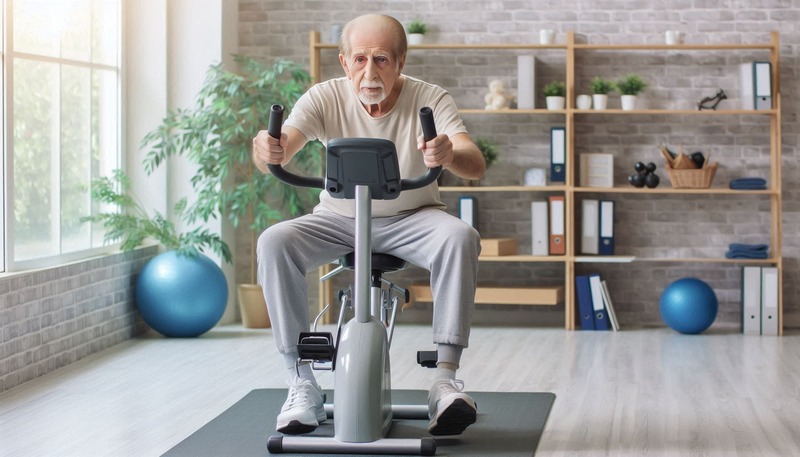
The advantages of the horizontal exercise bike in physical therapy
Reduce the pressure on joints and the back
The main reason why rowing machines are favored in physical therapy is that they can minimize the pressure on the lower back, hips and
knees to the greatest extent. Traditional upright rowing machines require users to lean forward and rely more on the muscles of the lower
back, which may exacerbate existing conditions or cause discomfort. In contrast, the inclined posture of the rowing machine for sitting
position supports the back and promotes a proper alignment of the spine, making it a safe choice for patients recovering from back injuries
or surgeries.
2. Effective cardiovascular health
Even during physical therapy, maintaining cardiovascular health is of utmost importance. The seated exercise bike offers an effective way to
achieve this goal without putting excessive pressure on the body. The low-impact nature of the seated exercise bike means that patients can
increase their heart rate, improve their circulatory system, and contribute to overall health and recovery.
3. Enhanced Accessibility
For many people undergoing physical therapy, especially the elderly or those with limited mobility, using exercise equipment can be a challenging
task. The seated exercise bike is designed with ease of use in mind. Its low seat and over-the-seat design allow users to get on and off the bike
easily without worrying about getting injured. This accessibility is a significant advantage for patients who may have difficulties using traditional
exercise equipment.
4. Improve balance and safety
In physical therapy, safety is the top priority. For patients with balance issues, such as those in the recovery phase of a stroke or those with
neurological disorders, stable and safe exercise options are needed. The seated exercise bike provides this stability. The backrest and low
center of gravity reduce the risk of falls and provide a safe seating position, allowing patients to exercise with peace of mind without worrying
about losing their balance.
5. Adjustable resistance for personalized workouts
Physical therapy usually requires a personalized exercise plan to meet the specific needs of each patient. The seated exercise bike is equipped
with adjustable resistance levels, allowing the therapist to adjust the exercise intensity according to the patient's current ability. As the patient's
strength and endurance improve, the intensity can be gradually increased. This adaptability makes the seated exercise bike a multifunctional tool in the rehabilitation process.
Who can benefit the most from the upright exercise bike?
The elderly
As people age, the decline in mobility and the increase in joint problems become more pronounced. For the elderly, staying active is crucial
for maintaining overall health, but the exercise methods need to be gentle on the body. The seated exercise bike offers a low-impact way to
maintain cardiovascular health, enhance muscle strength and improve joint flexibility, without the concerns of the potential harm caused by
high-impact exercises.
Post-operative patients
The recovery process after surgery, especially for orthopedic surgeries, can be long and challenging. Patients usually need physical therapy to
regain strength and mobility. Stationary exercise bikes are particularly beneficial in such situations because they allow patients to exercise
without putting excessive pressure on the surgical area. The supportive design of the exercise bike helps to gradually rebuild strength and
safely improve the range of motion.
Patients with neurological disorders
For patients with neurological disorders such as multiple sclerosis (MS) or Parkinson's disease, maintaining physical activity is crucial but
challenging. These diseases often affect balance and coordination, making traditional exercise methods difficult. The seated exercise bike
provides a stable and safe platform, reducing the risk of falls and offering a controllable exercise environment. Regular use helps improve
cardiovascular health, muscle strength, and overall activity ability.
Practical suggestions for incorporating rowing machines into physical therapy
1.Start slowly and gradually increase.
Patients should start with short-duration and low-resistance exercises. As their strength and endurance improve, they can gradually increase
the duration and intensity. This gradual progression helps prevent overexertion and reduces the risk of injury.
2. Maintain the correct posture
Even when using a seated exercise bike, maintaining the correct posture is essential. Patients should lean fully against the backrest, with both
feet placed flat on the pedals, ensuring that the knees are slightly bent at the lowest pedal position. The correct posture helps to maximize the
exercise effect and prevent pressure.
3. Combine with other exercises
Although the seated exercise bike is very useful, it should be part of a comprehensive physical therapy program, including other forms of exercise.
Combining aerobic exercise with strength training and flexibility exercises ensures a comprehensive rehabilitation process.
4. Regular Monitoring
The therapist should regularly monitor the patient's progress and adjust the exercise plan as necessary. Such monitoring helps to promptly
address any issues and ensure that the exercise plan aligns with the patient's rehabilitation goals.
5. Encourage consistency
In physical therapy, consistency is crucial. Patients should be encouraged to use the seated exercise bike regularly as part of their daily
routine. Setting a schedule and sticking to it can lead to better results and faster recovery.
Conclusion
The seated exercise bike is an extremely valuable tool in the field of physical therapy, combining safety, comfort and effectiveness.
Its unique design makes it very user-friendly for a wide range of patient groups, from the elderly to post-operative patients and those
with neurological disorders. By providing low-impact cardiovascular exercises, the seated exercise bike helps improve overall health while
minimizing the risk of injury. For anyone embarking on a rehabilitation journey, the seated exercise bike is a reliable and supportive companion
in achieving rehabilitation goals.
相关链接:Weldconn 商用健身器材
Info About Us Product Categories Delivery Company Profile Commercial Fitness Equipment Team Service Corporate Style Home Fitness Equipment News Light Commercial Fitness Equipment Copyright © Xiamen Weldconn Technology Co., Ltd. All Rights Reserved. |
Xiamen, Fujian, China
mike@weldconn.cn |
 Phone:86-592-6313022
 add:
add: email:ryan@weldconn.cn,