Integrating Mindfulness and Meditation into Cycling Exercise: A Comprehensive Guide
Integrating mindfulness and meditation into your cycling workouts can significantly enhance your physical and mental health. By maintaining focus and awareness during your exercise, you can improve your concentration, reduce stress, and enjoy a more fulfilling cycling experience. Here is a detailed guide on how to seamlessly incorporate these practices into your cycling training.
Prepare for mindfulness practice
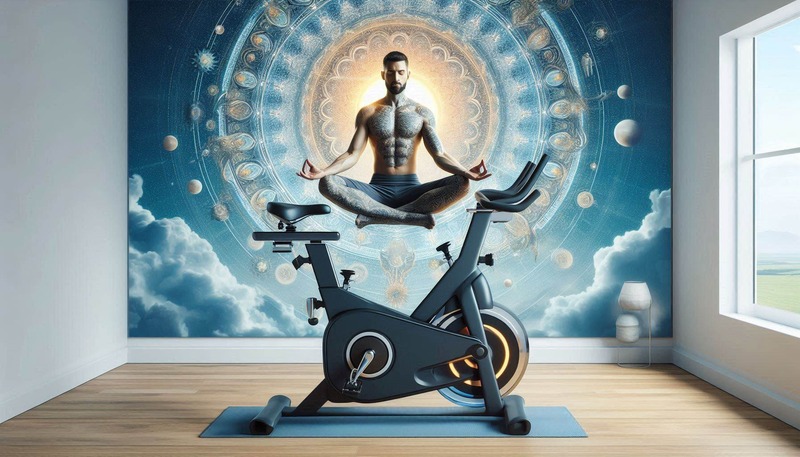
Create a peaceful environment: First, choose a quiet and comfortable space for your exercise. A quiet environment with fewer distractions helps you focus better. You can consider dimming the lights and playing soft background music to create the atmosphere.
Setting the intention: Before starting your cycling session, take a moment to set an intention for your exercise. This could be a simple goal, such as "stay focused" or "pay attention to your breathing". Setting an intention helps to concentrate your attention and guide your thoughts throughout the exercise.
Mindfulness Warm-Up
Gradually start: Begin your exercise with a gentle warm-up. This is a good time to focus on your breathing and how your body feels. Pay attention to the rhythm of your breathing and the sensations in your muscles.
Body scan: Conduct a full body scan from head to toe. Pay attention to any tense or uncomfortable areas, and adjust your posture and bike settings appropriately. Ensuring comfort and proper alignment will enhance your overall experience.
During the exercise process
Breathing awareness: One of the core aspects of mindfulness is to focus on breathing. Pay attention to your breathing pattern and strive to maintain a steady, deep breath that synchronizes with the rhythm of your ride. Deep, controlled breathing not only improves oxygen delivery but also helps you stay focused and calm.
Stay focused: Concentrate on every moment in the present and the physical sensations you are experiencing. Pay attention to how your muscles are working, how your heart is beating, and how your legs are moving. If your mind starts to wander, gently bring your attention back to your breathing and your body. Mindfulness is living in the present.
Positive Affirmation: Use positive affirmations to maintain motivation and focus. Simple phrases such as "I am strong" or "I am focused" can help you stay positive and concentrated, enhancing your exercise experience.
Mindfulness Interval Training
Intentional interval training: If you are doing interval training, please do it with mindfulness. During the high-intensity interval training, focus on your movement strength and power. During the low-intensity recovery period, shift your attention to your breathing and allow your body to relax. Such mindful interval training can make your exercise more effective and more enjoyable.
Visualization: Utilize visualization techniques to create a more immersive experience. Imagine yourself riding through beautiful scenery, such as a serene forest or a coastal path. Visualization can make your exercise more attractive and enjoyable, helping you stay focused and motivated.
Cooling and meditation
Gradual deceleration: As you enter the cooling phase, gradually reduce the intensity and speed of your ride. Focus on the gradual decrease in your breathing and heart rate. Mindful cooling helps your body make a smooth transition from high-intensity activity to rest.
Meditation after exercise: After the cooling down is complete, spend a few minutes in quiet meditation. Focus on your breathing and allow your body to fully relax and recover. Meditation after exercise can enhance recovery and leave you feeling calm and revitalized.
Additional techniques incorporating mindfulness and meditation
Using guided meditation: Consider using a guided meditation app or audio specifically designed for exercise. These can provide
structure and support for your mindfulness practice, making it easier to stay focused.
Practicing gratitude: End your exercise session with a grateful mindset. Reflect on the efforts you have made during the workout and express
gratitude for your body's capabilities. Practicing gratitude can enhance happiness and bring about positive improvements.
Persist in practice: Just like any practice, persistence is key. Incorporate mindfulness and meditation into your exercise routine on a regular
basis. The more you practice, the more natural these habits will become, and you will experience greater benefits.
Maintain openness and flexibility: Each exercise is different, and your mindfulness practice may change over time. Stay open-minded, try new
techniques, and adjust your practice as needed. Flexibility and openness are key to maintaining a sustainable and enjoyable mindfulness practice.
The benefits of mindful cycling
Integrating mindfulness and meditation into your cycling workouts offers numerous benefits:
Enhancing mental clarity: Mindfulness cycling helps clear the mind, reduce mental distractions, and enhance concentration.
Relieving stress: Maintaining focus and awareness during exercise can significantly reduce stress, promote relaxation and mental health.
Improving physical performance: Concentrated breathing and awareness can enhance oxygen delivery and improve physical performance.
Enhance pleasure: Mindfulness can make your exercise more enjoyable and fulfilling, helping you maintain motivation and achieve your fitness goals.
Balanced exercise: By paying attention to your body's signals, you can create a more balanced and effective workout, avoiding overexertion and injury.
Conclusion
Integrating mindfulness and meditation into your cycling workouts can transform your exercise routine, enhancing both physical and mental
well-being. By creating a peaceful environment, setting intentions, focusing on breathing, and maintaining concentration, you can achieve a
more fulfilling and enjoyable cycling experience. Whether you are an experienced cyclist or a beginner in fitness, mindful cycling can help you
reach your fitness goals and promote overall health. Embrace this journey, stay focused, and enjoy the numerous benefits of mindful cycling.
相关链接:Weldconn 商用健身器材
Info About Us Product Categories Delivery Company Profile Commercial Fitness Equipment Team Service Corporate Style Home Fitness Equipment News Light Commercial Fitness Equipment Copyright © Xiamen Weldconn Technology Co., Ltd. All Rights Reserved. |
Xiamen, Fujian, China
mike@weldconn.cn |
 Phone:86-592-6313022
 add:
add: email:ryan@weldconn.cn,