Rehabilitation and low-impact exercise stationary bike
The exercise bike is an excellent choice for those seeking low-impact exercise or those in need of rehabilitation. It offers a versatile, safe and effective way to improve cardiovascular health, enhance physical activity ability and strengthen muscles, without putting excessive pressure on the joints. This guide will delve into the benefits of exercise bikes, the available types, and tips for choosing the right exercise bike that suits your needs.
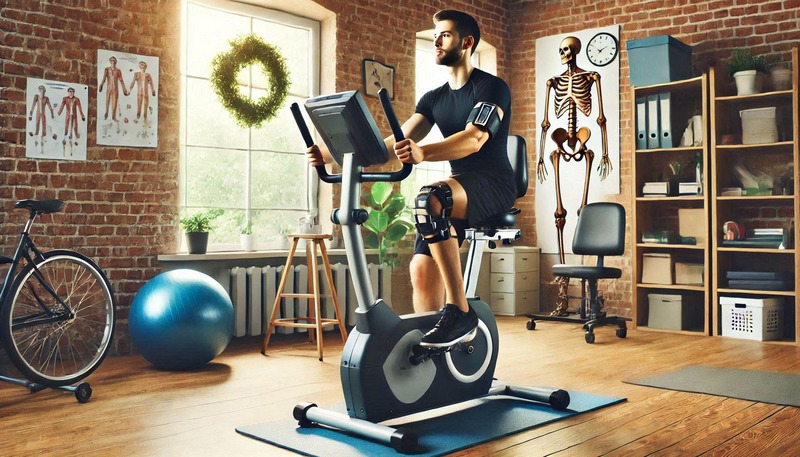
The benefits of exercise bikes for rehabilitation
Low-impact exercise: One of the greatest advantages of a stationary bike is its low-impact feature. Unlike running or other high-impact
activities, cycling is gentle on the joints and is ideal for individuals recovering from injuries or surgeries. This low-impact exercise helps
maintain cardiovascular health without exacerbating existing conditions.
Customizable workouts: Many exercise bikes have adjustable resistance levels, allowing users to customize their workouts according to their
fitness level and rehabilitation needs. Whether you are just starting your recovery journey or want to increase the intensity, the exercise bike
can be tailored to your goals.
Improving mobility: Regular cycling can significantly enhance mobility and flexibility. This repetitive exercise helps maintain joint lubrication
and muscle activity, which is crucial for those who are recovering from mobility issues. Improved mobility can lead to better overall movement
and reduce pain.
Strength Training: Although primarily known for its cardiovascular benefits, cycling also offers opportunities for strength training. Cycling works
various muscle groups, including the quadriceps, hamstrings, calves, and glutes. Strengthening these muscles is crucial for a comprehensive
rehabilitation plan.
Mental health: Exercise, including cycling, has been proven to boost mood and reduce stress. The endorphins released during exercise contribute
to a sense of well-being, which is particularly beneficial for individuals facing rehabilitation challenges.
Types of exercise bikes
Seated exercise bike: The seated exercise bike features a fully backrested relaxation seat design. This design distributes weight more evenly,
reducing pressure on the lower back and joints, and is particularly suitable for individuals with back problems or those who need a more
comfortable workout.
Standing bike: These bikes are similar to traditional outdoor bikes and offer more intense cardiovascular exercise. The standing bike works the
core muscle groups and provides a higher intensity level, suitable for users seeking a challenge.
Indoor Cycling: Usually used in spinning classes, indoor bikes offer a dynamic cycling experience with adjustable resistance levels. These bikes
are designed for high-intensity workouts and are an excellent choice for those who want to increase the variety of their exercise routines.
Tips for Choosing the Right Exercise Bike for You
Consulting a physiotherapist: If you are using a bicycle for rehabilitation, consulting a physiotherapist is of utmost importance. They can assist
you in choosing a bicycle that suits your specific needs and ensure that you use it correctly to prevent further injuries.
Adjustability: Look for bikes with adjustable features, such as seat height, handlebar position, and resistance level. The adjustability ensures a
comfortable and effective workout, tailored to suit your body and fitness goals.
Comfort: Ensure that the bicycle is comfortable for long-term use. Features such as a cushioned seat, ergonomic design, and easy-to-operate
control functions can make your exercise more enjoyable and reduce the risk of discomfort or injury.
Monitoring function: Modern exercise bikes usually come equipped with advanced monitoring features that track your progress, including distance,
speed, heart rate and calories burned. These functions can motivate you and help you monitor your recovery journey.
Maintain your exercise bike
Keeping the exercise bike in good condition is crucial for ensuring a safe and effective workout. Here are some maintenance tips:
Regular cleaning: After each workout, wipe the bicycle to remove sweat and dust. Use a soft cloth and mild detergent for a weekly
deep cleaning to ensure that all surfaces, including the frame, pedals and flywheel, are clean.
Lubrication: Regularly lubricate the chain or belt, as well as other moving parts such as pedals and resistance mechanisms. Proper
lubrication can reduce friction and noise, ensure smooth operation and extend the lifespan of the bicycle.
Inspect bolts and screws: Regularly check all bolts and screws to ensure they are securely fastened. The vibrations during cycling
can cause them to loosen over time.
Check for wear and tear: Regularly inspect the pedals, straps, and resistance mechanism for any signs of wear. Replace any
worn-out parts promptly to prevent accidents and maintain the performance of the bicycle.
Replace the battery: If your bicycle display is powered by a battery, regularly check the battery and replace it as needed to
ensure the display functions properly.
Professional maintenance: Consider having a professional maintenance service performed on your bicycle once a year. The
technician can conduct a comprehensive inspection and address any issues that you may have overlooked, ensuring that your
bicycle remains in top condition.
Maximize your exercise
Regular inspection: Establish a schedule for regularly inspecting the bicycles. Early detection of potential problems can prevent
the occurrence of more serious issues in the future.
Follow the manufacturer's instructions: Always refer to the manufacturer's maintenance guidelines. They provide specific operation
instructions tailored to your specific vehicle model, ensuring that you use the correct products and technologies.
Hydration and Comfort: During exercise, maintain hydration and ensure you have adequate ventilation and a comfortable environment.
This can enhance your exercise experience and maintain your motivation.
Conclusion
The exercise bike is a valuable tool for rehabilitation and low-impact exercises. It offers numerous benefits, including improving cardiovascular
health, enhancing physical activity ability, and strengthening muscles, all while being gentle on the joints. By choosing the right bike, consulting
a physiotherapist, and maintaining the equipment properly, you can enjoy a safe, effective, and enjoyable exercise experience.
Remember, regularly using your exercise bike not only helps with physical recovery but also boosts mental health. Therefore, take the time to
take good care of your bike and follow the correct maintenance practices to enjoy the journey towards better health and fitness. Happy cycling!
Disclaimer:
This article is for reference only and should not be regarded as medical advice. Before starting any new exercise program, please consult a
medical professional.
相关链接:Weldconn 商用健身器材
Info About Us Product Categories Delivery Company Profile Commercial Fitness Equipment Team Service Corporate Style Home Fitness Equipment News Light Commercial Fitness Equipment Copyright © Xiamen Weldconn Technology Co., Ltd. All Rights Reserved. |
Xiamen, Fujian, China
mike@weldconn.cn |
 Phone:86-592-6313022
 add:
add: email:ryan@weldconn.cn,