A Comprehensive Guide to Preventing Common Injuries from Cycling Exercise
The exercise bike is an excellent cardiovascular exercise method that can effectively burn calories and strengthen muscles, while causing little stress on the joints. However, like any exercise equipment, incorrect usage may lead to injuries. By following some basic guidelines and adopting the correct practices, you can enjoy safe and efficient exercise when using the exercise bike. This article will deeply explore various injury prevention measures, including proper bike setup, correct techniques, and regular maintenance.
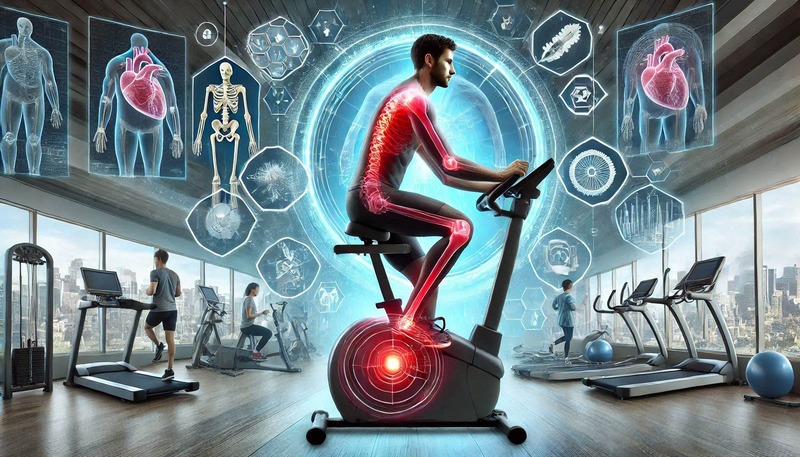
The correct setup for a bicycle
Adjusting the seat height: One of the most common mistakes people make is not properly adjusting the seat height. The seat height should
be set at a position where your knees are slightly bent (about 25-35 degrees) when your legs are at the lowest point on the pedals. This posture
helps ensure that your knees are not overextended, thus preventing joint pain and injury.
Handlebar position: Another crucial aspect of cycling setup is the position of the handlebars. The handlebars should be adjusted to a height
that allows you to reach comfortably without causing strains to your back or shoulders. This not only helps improve your posture but also prevents
discomfort and potential injuries.
Foot position: Make sure your feet are firmly fixed on the pedals. If possible, using cycling shoes can provide better support and stability, reducing
the risk of foot and ankle injuries.
Warming up and cooling down
Warm-up: Before starting the exercise, an appropriate warm-up is essential. Perform low-intensity exercises for 5 to 10 minutes to prepare
your muscles and joints. This helps to increase blood flow and reduces the risk of strains and sprains.
Cooling: Similarly, after the exercise, cooling is also extremely important. Spend another 5-10 minutes cycling at a lower intensity, gradually
lowering your heart rate and stretching your muscles. This helps prevent muscle stiffness and soreness.
Correct techniques
Maintain good posture: Keeping your back straight and avoiding excessive leaning forward or backward is crucial. Incorrect posture can cause
pain in the back and neck. Use the core muscles to support your back and maintain balance.
Smooth pedaling: The key is to pedal in a smooth, circular motion, rather than forcefully pressing down. This technique helps distribute the muscle
effort more evenly, reducing the risk of knee pain and injury.
Progression in stages
Gradually increase intensity: Avoid suddenly increasing resistance or exercise duration. Gradually increasing intensity and exercise duration
allows your body to adapt, reducing the risk of overuse injuries.
Listen to your body: Pay attention to any signs of discomfort or pain. If you feel any discomfort, stop and assess the possible causes. Suppressing
pain may lead to more serious injuries.
Regular maintenance
Inspecting the components of the exercise bike: Regularly check your exercise bike for any loose or worn-out parts. Ensure that the pedals,
seat, and handlebars are securely fastened. Loose components can cause instability and increase the risk of accidents.
Lubricate moving parts: Keep the moving parts of the bicycle well lubricated to ensure smooth operation and prevent wear. This not only extends
the lifespan of the bicycle but also guarantees a smoother and safer exercise experience.
Stretching and flexibility
Regular stretching: Incorporate stretching exercises into your daily workout routine to maintain flexibility and prevent muscle tension. Flexibility
is crucial in preventing injuries as it allows your muscles and joints to move more freely and effectively.
Focus on key areas: Pay special attention to stretching your legs, hips, and lower back, as these areas are frequently used during cycling. Stretching
these muscles can help relieve tension and reduce the risk of strains and sprains.
Consult a professional.
Seeking Guidance: If you are a beginner using a stationary bike, consider consulting a fitness professional to receive personalized advice and
the correct setup for the bike. The professional can help you adjust the bike to suit your body and teach you the correct techniques to avoid
injuries.
Follow the training plan: Utilize a structured training plan to ensure a balanced and effective exercise regimen. A good training plan can help
you achieve your fitness goals while minimizing the risk of injury.
Additional Note
Maintain hydration: Maintaining adequate hydration is crucial for preventing muscle cramps and maintaining overall performance. Make sure
to drink plenty of water before, during, and after exercising.
Balanced diet: A nutritionally balanced diet is beneficial for supporting muscle recovery and overall health. Ensure adequate intake of protein,
vitamins, and minerals to support exercise and recovery.
Rest Days: Incorporating rest days into your exercise plan is essential for allowing your muscles to recover and preventing overuse injuries.
Listen to your body and give it the rest it needs.
Conclusion
Stationary bikes offer numerous health benefits, but it is crucial to use them correctly to avoid injuries. By properly setting up the bikes, using
the correct techniques, warming up and cooling down, gradually increasing the exercise intensity, and maintaining the bikes, you can significantly
reduce the risk of injury. Additionally, incorporating stretching, seeking professional guidance, following a balanced diet, and staying hydrated can
further enhance your safety and exercise effectiveness.
Remember, the key to a successful and injury-free exercise plan lies in consistency and concentration. Pay attention to your body's signals
and make necessary adjustments. Enjoy the many benefits of regular cycling. Stay safe, stay healthy, and have fun riding!
Disclaimer:
This article is for reference only and should not be regarded as medical advice. Before starting any new exercise program, please consult a
medical professional.
相关链接:Weldconn 商用健身器材
Info About Us Product Categories Delivery Company Profile Commercial Fitness Equipment Team Service Corporate Style Home Fitness Equipment News Light Commercial Fitness Equipment Copyright © Xiamen Weldconn Technology Co., Ltd. All Rights Reserved. |
Xiamen, Fujian, China
mike@weldconn.cn |
 Phone:86-592-6313022
 add:
add: email:ryan@weldconn.cn,