Tips for maintaining hydration when exercising on a stationary bike for a long period of time
When engaging in prolonged exercise on a stationary bike, maintaining hydration is crucial for maintaining performance and preventing dehydration. Ensuring adequate water intake before, during, and after the workout can significantly enhance your exercise efficiency and overall health. Here are some effective strategies for hydrating, which can help you stay at your best while cycling.
1.Preventive hydration
Maintain hydration: It is crucial to maintain adequate water intake before starting exercise. Drink water evenly throughout the day leading up
to your workout to ensure your body is prepared for the physical exertion that is about to occur.
Electrolyte balance: Although water is essential, beverages containing electrolytes also help maintain the balance of electrolytes. Electrolytes
are crucial for maintaining fluid balance and muscle function, especially during prolonged exercise. You may consider drinking some
beverages containing electrolytes, such as sports drinks, to replenish the minerals lost through sweat.
2. Hydration during exercise
Regular small sips of water: Maintaining continuous water intake during exercise is crucial. Instead of gulping down water, it's better to take
regular small sips. Drink approximately 7-10 ounces of water every 10-20 minutes. This continuous intake helps maintain fluid levels and
prevents dehydration.
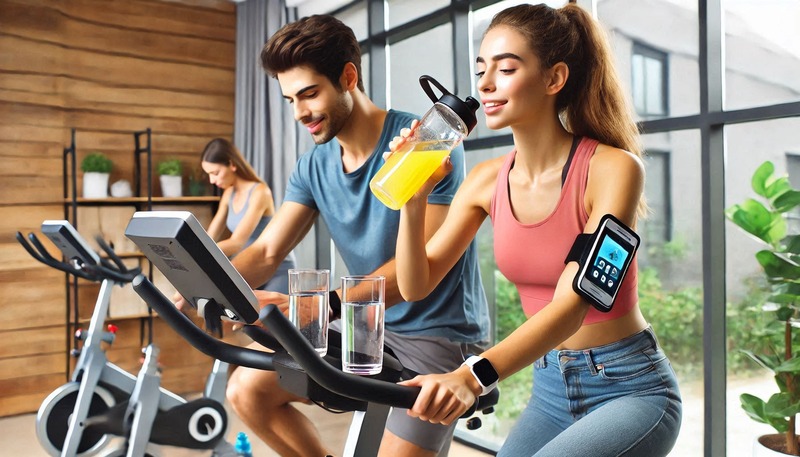
Water bags and water bottles: Using a water bag or keeping a water bottle within reach can help you drink water at regular intervals, ensuring
that you maintain adequate water intake throughout your exercise session.
Monitor sweating: Pay attention to the amount of sweat you produce. Intense exercise and hot environments can increase sweating, so you
may need to consume more water to compensate. Adjust your water intake according to your sweating situation to ensure adequate hydration.
3. Hydration after Exercise
Replenishing fluids: After exercising, it is crucial to continue replenishing fluids. For every pound of weight lost, aim to drink 16-24 ounces of
water to restore fluid balance.
Electrolyte supplementation: For longer or more intense workouts, consider drinking beverages containing electrolytes to help balance the loss
of minerals such as sodium and potassium due to sweating, ensuring that the body recovers more effectively.
4. Water replenishment strategy
Adding flavor to water: Sometimes, plain water may not be very appealing and might lead to insufficient water intake. You can add a slice of
lemon, a piece of cucumber, or a little juice to the water to enhance the flavor and encourage you to drink more water.
Hydration Reminder: During intense exercise, staying hydrated can sometimes be overlooked. Set a phone reminder or use a timer to ensure
you drink water at the right time. This helps to establish a habit and develop the good habit of regular hydration.
5. Listen to your body
Thirst signal: Your body is the best indicator of whether you need to hydrate. Don't ignore the thirst signal - it's your body's way of telling you
that you need to replenish water. Responding to these signals promptly can help maintain the optimal water level.
Urine color test: A simple and effective way to monitor the state of hydration is to examine the color of the urine. A light yellow color
indicates adequate hydration, while darker urine suggests a need for more water. This method can help you adjust your water intake in real
time.
6. Take environmental factors into consideration
Temperature and humidity: External conditions such as temperature and humidity have a significant impact on your water requirements.
Higher temperatures and humidity increase the amount of sweating, which means you need more water to maintain hydration. Pay attention
to these factors and adjust your water replenishment plan accordingly.
Breathable clothing: Wearing breathable, moisture-wicking clothing helps manage sweating and maintain comfort. These materials allow
sweat to evaporate more easily, helping to regulate body temperature and maintain hydration.
7. Personalize your water intake plan
Testing and Adjusting: Everyone's water requirements are different, so test different amounts and types of liquids to find the best way for you.
Pay attention to your body's reactions and adjust your water replenishment plan as needed.
Consulting professionals: If you're unsure about your specific water requirements, consider consulting a nutritionist or fitness professional.
They can provide personalized advice based on your unique needs, ensuring that you maintain a good water balance and perform at your best.
Additional Note
Maintain consistency: Consistent hydration is the key to effective hydration. Develop the habit of drinking water regularly throughout the day,
not just during exercise. This helps maintain your overall water level and prepares your body for exercise.
Balancing fluids and electrolytes: Although water is crucial, don't forget about electrolytes. Balancing water intake and electrolytes can prevent
any imbalances that may affect your performance and recovery.
Proactive planning: If you know that you will be engaging in long or intense exercise, plan your water intake strategy in advance. Make sure to
have sufficient water and electrolyte beverages ready, and set reminders to maintain the correct hydration level.
Recovery period hydration: Hydration is equally important during the recovery period after exercise. Drinking water after exercise helps detoxify
the body, reduce muscle soreness, and support overall recovery.
Dietary adjustment: Diet also affects your water requirement. Foods with high water content, such as fruits and vegetables, can increase your
total fluid intake. Consider adding more water-rich foods to your diet to support your hydration goals.
Conclusion
When engaging in long-term exercise on a stationary bike, maintaining hydration is crucial for maintaining performance, preventing
dehydration, and ensuring overall health. By following these simple hydration tips - from pre-exercise hydration, maintaining regular
fluid intake during the workout, to post-workout rehydration - you can optimize your cycling experience and achieve better results.
Remember, listen to your body, monitor your hydration status, and adjust your fluid intake according to environmental factors and
personal needs. With a well-designed hydration plan, you can enjoy safer and more efficient cycling workouts. Stay hydrated, stay
healthy, and enjoy your cycling with joy!
Disclaimer:
This article is for reference only and should not be regarded as medical advice. Before starting any new exercise program, please consult a
medical professional.
相关链接:Weldconn 商用健身器材
Info About Us Product Categories Delivery Company Profile Commercial Fitness Equipment Team Service Corporate Style Home Fitness Equipment News Light Commercial Fitness Equipment Copyright © Xiamen Weldconn Technology Co., Ltd. All Rights Reserved. |
Xiamen, Fujian, China
mike@weldconn.cn |
 Phone:86-592-6313022
 add:
add: email:ryan@weldconn.cn,