Beginner's Safety Guide for Cycling Exercise
Starting a new exercise program is both exciting and nerve-racking. For beginners, when using a stationary bike, prioritizing safety is particularly important, as this ensures you have a positive and productive experience. Here are some comprehensive guidelines to help you get started smoothly, avoid injuries, and maximize the effectiveness of your workouts.
Choose the right bicycle
The first step in your fitness journey is to choose the type of stationary bike that best suits your needs. There are several types of fitness bikes available, including upright, recumbent, and spinning bikes. Each type has its own advantages, so when making a choice, consider your fitness goals and personal preferences.
Stationary bike: Similar to a traditional bicycle, it is suitable for comprehensive cardiovascular exercise. They are small in size and suitable for areas with limited space.
Sitting bike: This type of bike has an inclined seat, providing more support for the back and greater comfort. They are ideal for those with lower back problems or those who prefer a more relaxed riding posture.
Stationary bike: Very popular in spinning classes, these bikes allow for intense workouts and simulate the experience of outdoor cycling.
Make sure to choose the right bicycle that suits you and adjust it properly. Adjust the seat height so that your knees have a slight bend at the lowest pedal position. The handlebars should be at a comfortable distance to avoid straining your back or shoulders.
Wearing appropriate equipment
Wearing appropriate clothes and shoes is crucial for both safety and comfort during exercise. Choose comfortable and breathable sports clothes that allow for free movement. Avoid loose-fitting garments as they may get caught by the mechanical parts of the bicycle.
Invest in sturdy and non-slip sports shoes to ensure good grip on the pedals. Some exercise bikes come with pedal straps or clips. If your bike has these features, make sure your shoes are compatible to enhance stability.
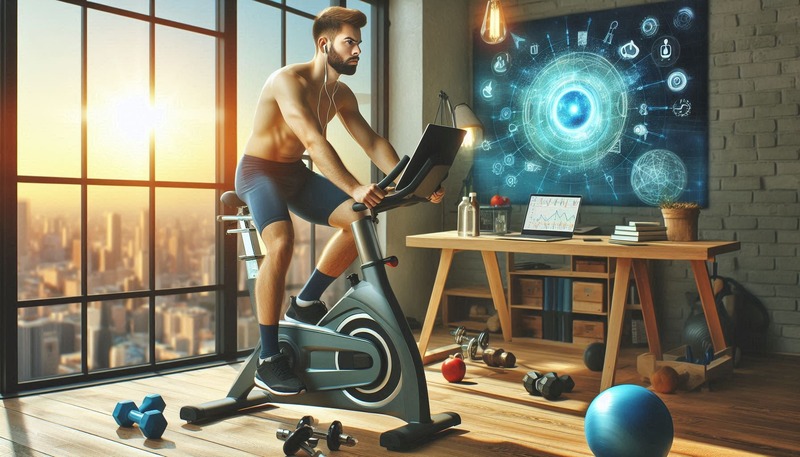
Check the equipment
Before riding the bike, take a few minutes to ensure everything is working properly. Place the bike on a stable and firm surface to prevent it
from shaking or tipping over during exercise. Regularly check the bike for loose parts, worn components or any signs of damage. Address
any issues promptly to avoid accidents.
Warming up and cooling down
Proper warm-up and cool-down procedures are of vital importance for preventing injuries and enhancing the effectiveness of exercise.
Warming-up: Start with 5-10 minutes of easy pedaling to gradually increase heart rate and warm up the muscles. This prepares you for the
upcoming more intense exercise and reduces the risk of strains or sprains.
Cooling: At the end of the exercise, spend 5-10 minutes slowly pedaling to cool down. This helps to gradually restore the heart rate to normal
and prevents dizziness or fainting. Stretching the muscles after cooling down also helps to reduce the soreness after the exercise.
Adjust the intensity
As a beginner, it is important to start slowly and gradually increase the duration and intensity of your exercise. Exercising too much too early
may lead to fatigue or injury.
Gradually start: Begin with 15-20 minutes of short exercises. As your fitness level improves, gradually increase the duration.
Moderate intensity: The goal is a moderate level of intensity, allowing you to maintain a conversation while cycling. This ensures that you
receive a good workout without overexerting yourself.
Listen to your body: Pay attention to how your body feels during exercise. If you experience pain, discomfort, or excessive fatigue, slow down
or take a break. It is important to distinguish between normal exercise fatigue and potential injuries.
Maintain the correct posture
The correct posture is the key to effective exercise and preventing strains or injuries.
Posture: Keep your back straight, relax your shoulders, and tighten your core. Avoid bending over or hunching your back, as this can cause
pain in your back and neck.
Pedal technique: Focuses on smooth and controllable movements. Push the pedals down evenly and pull them up evenly to distribute the
muscle effort. This helps to increase efficiency and reduce the risk of injury.
Stay hydrated
Maintaining hydration during exercise is crucial for achieving optimal performance and preventing fatigue. Keep a water bottle at hand at all
times and drink small sips of water regularly during the exercise. Dehydration can lead to a decline in performance and increase the risk of
cramps or dizziness.
Monitor heart rate
Using a heart rate monitor can help you stay within the target heart rate range, ensuring that you exercise at a safe and effective intensity.
This helps to maximize the exercise effect while avoiding over-exercising.
Use the security features
Understand the various safety features of the exercise bike. Many bikes are equipped with adjustable resistance settings, allowing you to
modify the intensity of your workout. Start with a lower resistance level and gradually increase it as your comfort level improves.
If your bicycle has an emergency stop feature, make sure you know how to use it. This is especially useful when a sudden stop is necessary.
Be aware of your surroundings.
Make sure there is enough space around the exercise bike to avoid colliding with any objects or furniture. Reducing distractions can help you
focus on your workout and prevent accidents.
Additional tips for safe and enjoyable exercise
Diversity: Incorporate various types of exercises to maintain freshness and avoid monotony. This can include interval training, hill simulation or
virtual cycling.
Consistency: The goal is to engage in regular and continuous exercise, rather than sporadic high-intensity training. This helps build endurance
and makes exercise a sustainable habit.
Motivation: Set realistic goals and celebrate your progress. Maintaining motivation is the key to sticking to regular exercise.
By following these safety tips, you can enjoy safe and efficient workouts on the exercise bike. Remember, the key to a successful fitness
journey is to start slowly, maintain consistency, and listen to your body.
Disclaimer:
This article is for reference only and should not be regarded as medical advice. Before starting any new exercise program, please consult a
medical professional.
相关链接:Weldconn 商用健身器材
Info About Us Product Categories Delivery Company Profile Commercial Fitness Equipment Team Service Corporate Style Home Fitness Equipment News Light Commercial Fitness Equipment Copyright © Xiamen Weldconn Technology Co., Ltd. All Rights Reserved. |
Xiamen, Fujian, China
mike@weldconn.cn |
 Phone:86-592-6313022
 add:
add: email:ryan@weldconn.cn,