Using a stationary bike to track fitness progress: A comprehensive guide
Maintaining motivation and achieving fitness goals becomes easier by effectively tracking your progress on the exercise bike. Here is a guide on how to do this:
1.Set clear goals
Setting clear and specific goals is the foundation of any successful fitness plan. By knowing what you want to achieve, you can tailor your exercise routine and effectively monitor your progress.
Short-term goals: These can be daily or weekly targets, such as cycling for 30 minutes every day, covering a specific distance, or burning a certain number of calories. Short-term goals help maintain focus and provide a sense of achievement.
Long-term goals: These are larger objectives that may take several weeks or months to achieve. For example, improving cardiovascular health, losing a certain amount of weight, or enhancing overall endurance. Long-term goals provide direction and motivation for sustained efforts.
2. Utilize the built-in metrics
Most modern exercise bikes are equipped with digital displays, which provide a series of indicators to track your performance.
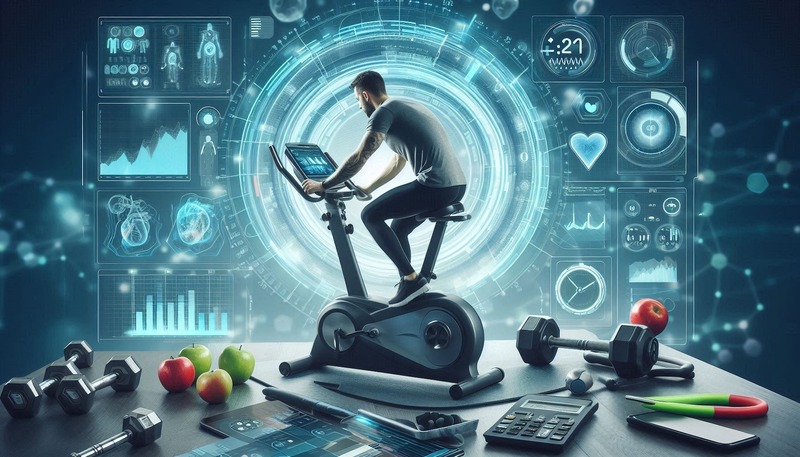
Display: The display usually shows indicators such as time, distance, speed, heart rate, and calories burned. Regularly checking these indicators can help you stay on track and make adjustments as needed.
Heart rate monitoring: Many exercise bikes are equipped with built-in heart rate sensors, or they can be connected to external heart rate monitors. Paying attention to heart rate ensures that you exercise within your target heart rate range, maximizing the efficiency of your workout and ensuring safety.
3. Keep an exercise log
Recording your exercise routine will allow you to clearly see your progress.
Physical Log: Maintain a log to record detailed information about each exercise, including the date, duration, distance, resistance level, and your feelings during and after the exercise. This will help you identify patterns, adjust your exercise plan, and maintain motivation.
Digital applications: There are numerous fitness apps that allow you to track your workouts. These apps are usually synchronized with exercise bikes, automatically recording data and providing detailed analyses. Examples include MyFitnessPal, Strava and Fitbit.
4. Utilize fitness apps and wearable devices
Technology can play a significant role in tracking and enhancing your fitness progress.
Tracking applications: Applications such as MyFitnessPal, Strava and Fitbit not only record exercise activities but also analyze the data to provide insights and suggestions. They can help you understand your strengths and areas that need improvement.
Wearable devices: Fitness trackers and smartwatches can complement your cycling workouts and provide additional data such as overall activity levels and sleep patterns. These devices can offer a comprehensive view of your fitness journey.
5. Regularly assess your progress
Regularly assessing progress helps keep things on track and enables making informed decisions about the fitness plan.
Weekly Check: At the end of each week, review your exercise log and application data. Analyze the trends and assess whether you have
achieved your short-term goals. This will help you adjust your exercise routine as needed.
Adjust the goals: Depending on the progress, it might be necessary to adjust the goals. If you consistently meet the targets, consider setting
more challenging ones. If you encounter difficulties, re-evaluate and set more achievable goals.
6. Incorporate diversity into exercise
Diversity is the key to preventing exercise from becoming monotonous and stagnant. A variety of exercise methods keeps it fresh and
challenges your body in different ways.
Interval training: Incorporate high-intensity intervals into your workouts. This involves alternating periods of intense effort with recovery
periods, which helps improve cardiovascular health and burns more calories.
Different programs: Many exercise bikes come with preset exercise programs that simulate different terrains and intensities. Utilize these
programs to maintain the dynamic and challenging nature of your workouts.
7. Listen to your body
Paying attention to the signals from your body is crucial for preventing injuries and ensuring effective exercise.
Body feedback: Pay attention to your feelings during and after the exercise. If you feel uncomfortable or experience pain, you may need to
adjust the intensity or duration of the exercise. Rest is also an important part of any fitness plan, allowing the body to recover and strengthen.
8. Celebrate Milestones
Recognizing and celebrating achievements can maintain motivation and commitment to the fitness journey.
Small victories: Celebrating the achievement of short-term goals, such as completing a week of continuous exercise or reaching a new
personal best distance or speed. These small victories build up motivation.
Major Achievements: Reward yourself for reaching significant milestones, such as completing a large amount of cycling or achieving a
notable weight loss goal. The rewards can be anything that makes you feel enjoyable, such as new sports clothes, a relaxing day, or a special
meal.
9. Maintain consistency
Consistency is the key to achieving long-term fitness success. Establishing routines helps integrate exercise into daily life and makes it easier
to stick to.
Routine: Schedule exercise at the same time every day or every week to form a habit. Consistency helps to develop discipline and makes it
easier to maintain a fitness plan.
Sense of Responsibility: Share your goals and progress with friends, family, or a fitness community. Having supportive and encouraging people
can significantly boost motivation and sense of responsibility.
Conclusion
By setting goals, using built-in metrics, maintaining logs, leveraging technology, evaluating progress, integrating diversity, listening to your
body, celebrating milestones and maintaining consistency, you can effectively track your fitness progress on the exercise bike. By following t
hese steps, you can maintain motivation, make wise adjustments and ultimately achieve your fitness goals.
Remember, the key to a successful fitness journey is to set clear goals, carefully track your progress, and enjoy the process. Fitness is not
just about reaching a destination; it also lies in the progress and improvements made along the way.
Disclaimer:
This article is for reference only and should not be regarded as medical advice. Before starting any new exercise program, please consult a
medical professional.
相关链接:Weldconn 商用健身器材
Info About Us Product Categories Delivery Company Profile Commercial Fitness Equipment Team Service Corporate Style Home Fitness Equipment News Light Commercial Fitness Equipment Copyright © Xiamen Weldconn Technology Co., Ltd. All Rights Reserved. |
Xiamen, Fujian, China
mike@weldconn.cn |
 Phone:86-592-6313022
 add:
add: email:ryan@weldconn.cn,